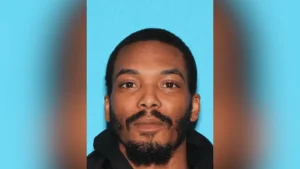

Turquoise Alert for Isabella Comas as Arizona Police Investigate High-Risk Missing Person Case
January 16, 2026

“She is not yet safe… Police simply let her walk back out to the streets of Houston.”
— Marquez family statement, via media reports
On January 4, 2026, the search for Sydney Marquez—the 24-year-old Texas A&M grad who vanished in Houston on December 11—remained the internet’s true-crime focal point. The flashpoint: Jersey Village Police confirmed they had located Sydney in the early hours of January 2 near Seattle Street, spoke with her, and then released her because she did not meet the legal criteria for emergency detention. EMS evaluated her; she declined assistance and left on foot. That decision detonated across social platforms as the Sydney Marquez missing Houston case swelled into a tense standoff between family anguish and police policy. (Houston Chronicle)
Within hours, Sydney’s family and advocacy group FIEL Houston posted clarifications: a community member spotted her, police made brief contact, but she was not taken into custody. The family circulated her last known clothing description and location—blue sweatshirt, blue sweatpants, black backpack; Jones Rd & US-290 around 1:00 a.m. on Jan. 2—and begged the public to keep calling in tips. The missing-persons engine spun up: Texas EquuSearch posts, media blasts, stitched TikToks, X threads. Crowd OSINT checked bus cams and business perimeters along Bellaire and Gessner, the corridor where her **abandoned car—with keys and phone left behind—**was previously found. (FIEL Houston)
By the weekend, dueling narratives hardened. Police emphasized that bodycam footage showed an adult who did not meet the standard for involuntary psychiatric hold and who declined care—a legal wall agencies hit daily. The family—publicly citing Sydney’s history of bipolar disorder and schizophrenia—argued officers should have pushed for a psychiatric evaluation and warned the case echoed other Texas disappearances that ended in tragedy. The friction over thresholds, discretion, and who gets to decide “imminent danger” became the story. (KHOU)
Digital and forensic strands. Investigators and volunteers are scrubbing CCTV, transit feeds, and tipline timestamps to rebuild Sydney’s movement after the Jan. 2 contact. Family confirmations and local outlets report she was later found safe and “back with loved ones,” receiving help—yet unanswered questions remain about the 72-hour window after police contact and whether a clinical handoff could have changed the arc. The push-pull between patient autonomy and protective custody—especially in missing-adult cases amplified by social media—now defines the Sydney Marquez missing Houston conversation. (Chron)
Why this matters. January is National Human Trafficking Prevention Month, but 2026 opens with an adjacent crisis: adults in mental-health episodes who slip through procedural gaps while families mobilize thousands online. The same platforms that can radicalize and exploit also enable lightning-fast search grids, cross-posting BOLOs, and real-time sightings. Cases like Sydney’s expose how quickly a missing-persons hunt can morph into a referendum on police policy, HIPAA-shadowed health systems, and the hard math of involuntary holds. (State)
Civil-rights advocates and crisis clinicians say release-at-scene decisions are common—and combustible. Departments require probable cause of imminent danger for emergency detention; symptoms alone often aren’t enough. Families counter that officers lack clinical time and training to gauge acute risk in the field. National warnings from the FBI about online exploitation and virtual kidnapping scams underscore the stakes for families terrified by every anonymous text or spoofed call during a disappearance. The public response in Sydney Marquez’s case—POI tips, map pins, and citizen patrols—shows both the power and peril of crowdsourced searches. (BleepingComputer)
Read more crucial Missing Person News and Alerts on The Missing.org