DNA identifies Suraj Lama After Disappearance in Kochi, Prompting Inquiry into Custody Lapses
February 9, 2026
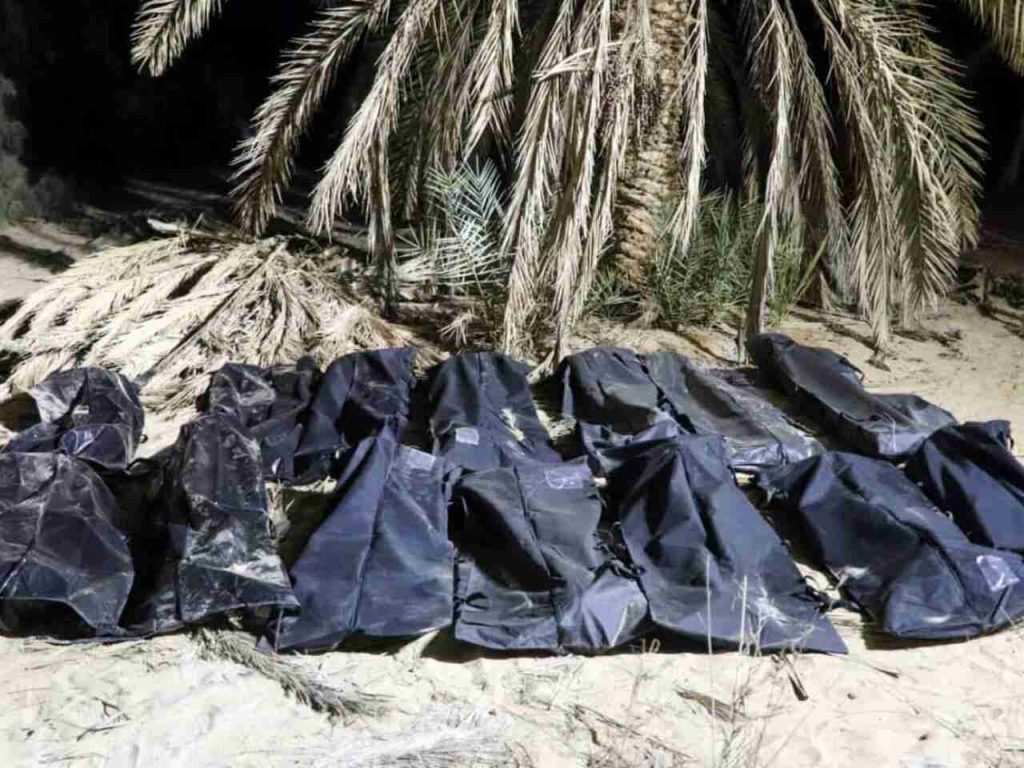
“A member of a criminal group linked to a mass grave containing 21 migrants will stand trial for human trafficking.”
— Libya’s Attorney General’s Office, via AP
Libyan prosecutors say the first defendant tied to a Libya human trafficking mass grave is being sent to trial after investigators connected a criminal gang to the bodies of 21 migrants found in the country’s east, and to the captivity of 195 people who were released after torture-for-ransom. The attorney general’s office announced the move Friday, noting the group organized illegal migration corridors through al-Kufra and Ajdabiya, key transit zones where migrants are routinely extorted, abused, and disappeared. (AP News)
Authorities have not publicly identified the gang, nor confirmed exactly how or when the 21 were killed. Photographs released by prosecutors showed bodies in black plastic bags, some partially buried—grim evidence in a case that crystallizes Libya’s role as a major staging ground for smuggling operations toward Europe. Prosecutors also confirmed one suspect is in custody and others remain at large, underscoring how diffuse and violent these networks are. (AP News)
The Libya human trafficking mass grave case is unfolding against a staggering backdrop: the Central Mediterranean remains the world’s deadliest migration route. Since early 2025, over 1,000 people have died there—more than 500 off Libya’s coast alone—according to the International Organization for Migration data cited by AP. Many more are missing, their fates written in unmarked sand, wrecked boats, and encrypted ransom chats. (AP News)
Here’s what investigators say they can prove so far. The gang allegedly lured and moved migrants, caged them in makeshift prisons, and inflicted torture to extort digital ransom payments from families—classic patterns documented in prior trafficking cases: beatings streamed over video calls, cryptocurrency or wire transfers demanded under the threat of death, and the deliberate erasure of identities by stripping papers and phones. The attorney general’s statement—posted on Facebook and summarized by AP—adds that 195 captives were released during the probe, a rare lifeline in a landscape where survivors are usually too terrified to testify. (AP News)
Libya’s post-2011 fragmentation makes these prosecutions brutally difficult. Rival authorities split the country between east and west; armed groups control routes, “tax” smugglers, and collude across borders. Forensic work is often delayed by security risks and scarce resources. Yet this case—with trial referral, a mass grave, and living survivors—could become a landmark if prosecutors convert fragmented intelligence into courtroom proof: cell-site data, cross-border money flows, and survivor testimony that traces a chain of custody from desert safehouses to the Libya human trafficking mass grave itself. (AP News)
For families in the region and across Africa and the Middle East, the announcement rips open the same wound: loved ones vanished en route to Europe; phones went dark; ransom calls came from unknown numbers; then nothing. On January 18, 2026, this story dominated international feeds because it presents what so many cases do not—a defendant, a grave, and a chance at answers. (AP News)
Read more crucial Missing Person News and Alerts on The Missing.org